
Blog / Guides
What Your Clinic Can and Can’t Post in 2026: Malaysia’s Updated Healthcare Advertising Rules
By Brandstorm Admin · 25 November 2026 · 4 min read
Blog / Guides
By Brandstorm Admin · 25 November 2026 · 4 min read

If your clinic or hospital posts on Instagram, TikTok or Facebook, this one is worth five minutes of your time. The Medicine Advertisements Board (Lembaga Iklan Ubat, or LIU) under the Ministry of Health has amended its advertising guideline for private healthcare facilities. The amended version, Pindaan LIU 1/2026, was approved on 2 March 2026 and took effect on 5 June 2026.
It covers private hospitals, clinics, radiology clinics and private medical laboratories. There is no separate social media chapter, but the rules apply to advertising in any media, and the guideline is clear that online advertising aimed at people in Malaysia must comply. So your feed, your reels and your boosted posts all count.
Here is what it says, in plain words.

This is the rule that catches most clinics out. Under section 4.5, a patient testimonial is allowed only when it talks about your premises: how clean it is, how friendly your staff are, how comfortable the environment feels.
A testimonial about the treatment, the service or the doctor's skill is not allowed.
That covers the classic "patient story" reel where someone describes their results. If it is about the outcome or the doctor's ability, it falls on the wrong side of the line.
Section 4.6 defines a celebrity broadly. It includes influencers, professionals and even patients receiving treatment. A celebrity or influencer endorsement may promote your premises, but not your treatments, services or a practitioner's skills.
So an influencer can show off your new waiting area or your warm front desk team. An influencer saying "this is the best place for my procedure" is not allowed.
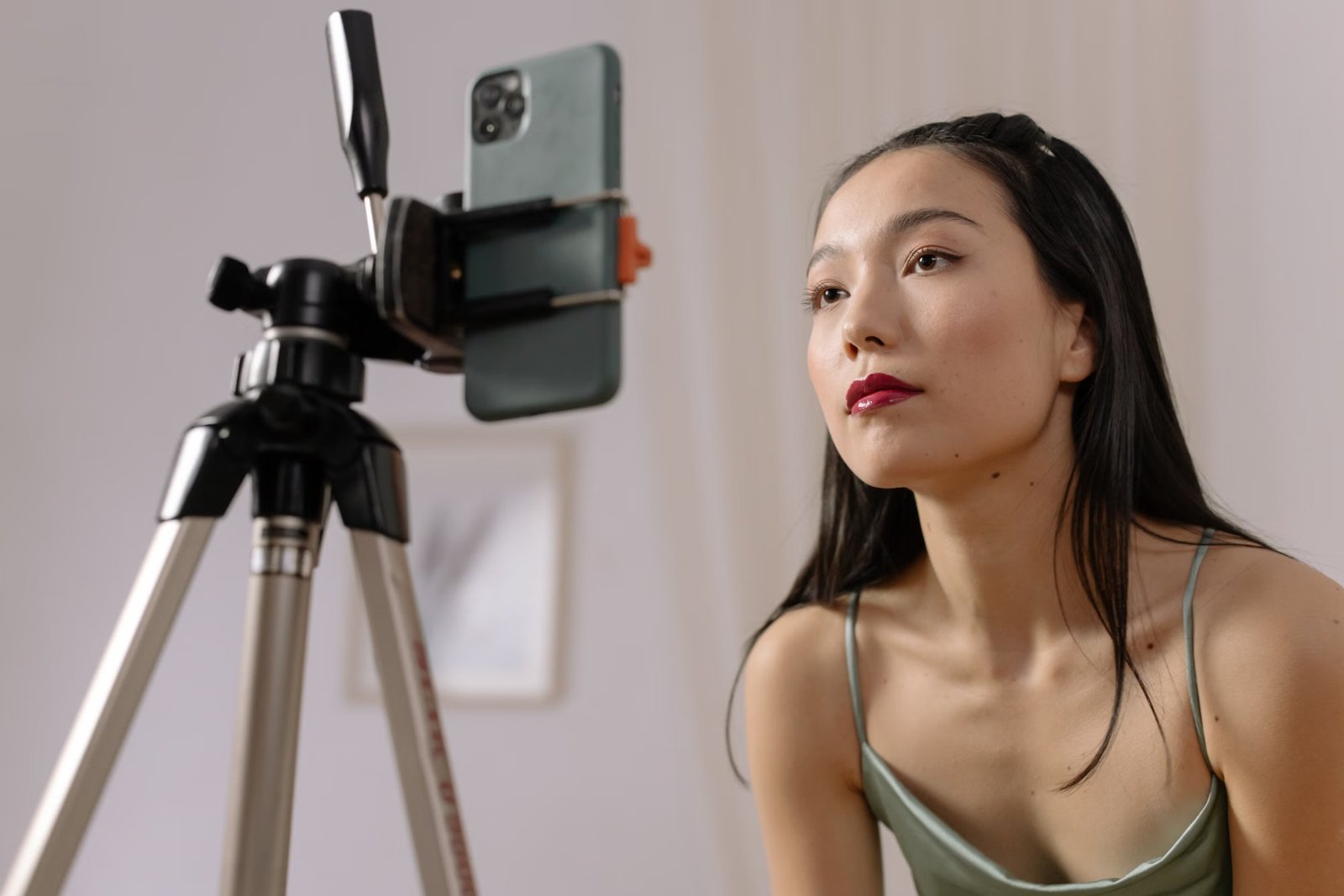
You can share a doctor's name, qualifications and area of expertise as information (section 4.2). What you cannot do is promote an individual practitioner on the strength of their skills, knowledge or experience.
On your website, doctor profiles must be informative and concise, without wording that reads as praise (section 6.8). Doctor photos in approved advertisements have size limits, so check them before you design.
Section 1.3 says advertisements may only be published after LIU approval, unless they fall under the exemptions in section 3. Many clinics skip this step without realising it.
Some things don't need approval if they meet the conditions, for example:

Educational content gets the most room under the guideline, as long as it informs rather than sells. A few things to keep in mind (section 3.4.3):
None of this means going quiet online. It means shifting where your content gets its pull:
We covered the broader basics in Marketing your clinic in Malaysia within the guidelines. This update is a good moment to audit your last 30 posts against the points above.
This article is a plain language summary to help healthcare providers plan their content. It is not legal advice. Please read the full LIU guideline (Pindaan LIU 1/2026), and the MMC guidelines that apply to doctors, before publishing.
We work with 90+ doctors, clinics and hospitals across Malaysia, and every piece we produce is planned with these guidelines in mind. If you want your feed reviewed or a fresh content plan built around education, talk to us.


